
Contestant one
The delivered container
- Where it winsOn your own secured site, long-term, where delivery truck access exists and nobody objects. Zero travel to your stock.
- Where it losesYou need land you control. An HOA, a landlord or a city code officer ends the arrangement fast, and delivery both ways is a real cost. Security is whatever your site provides — the container brings walls, not a gate, not light, not people.
Contestant two
The 10×15 indoor unit
- Where it winsClimate-sensitive stock — electronics, documents, finishes. Conditioned air is the one thing the other two cannot offer.
- Where it losesCorridors, carts and access windows. Only 36.7% of surveyed facilities confirm 24-hour access; most run 6am–10pm, which is exactly wrong for a trade that loads at dawn. The full head-to-head is in the contractor's breakdown.
Contestant three
The 8×20 drive-up vault
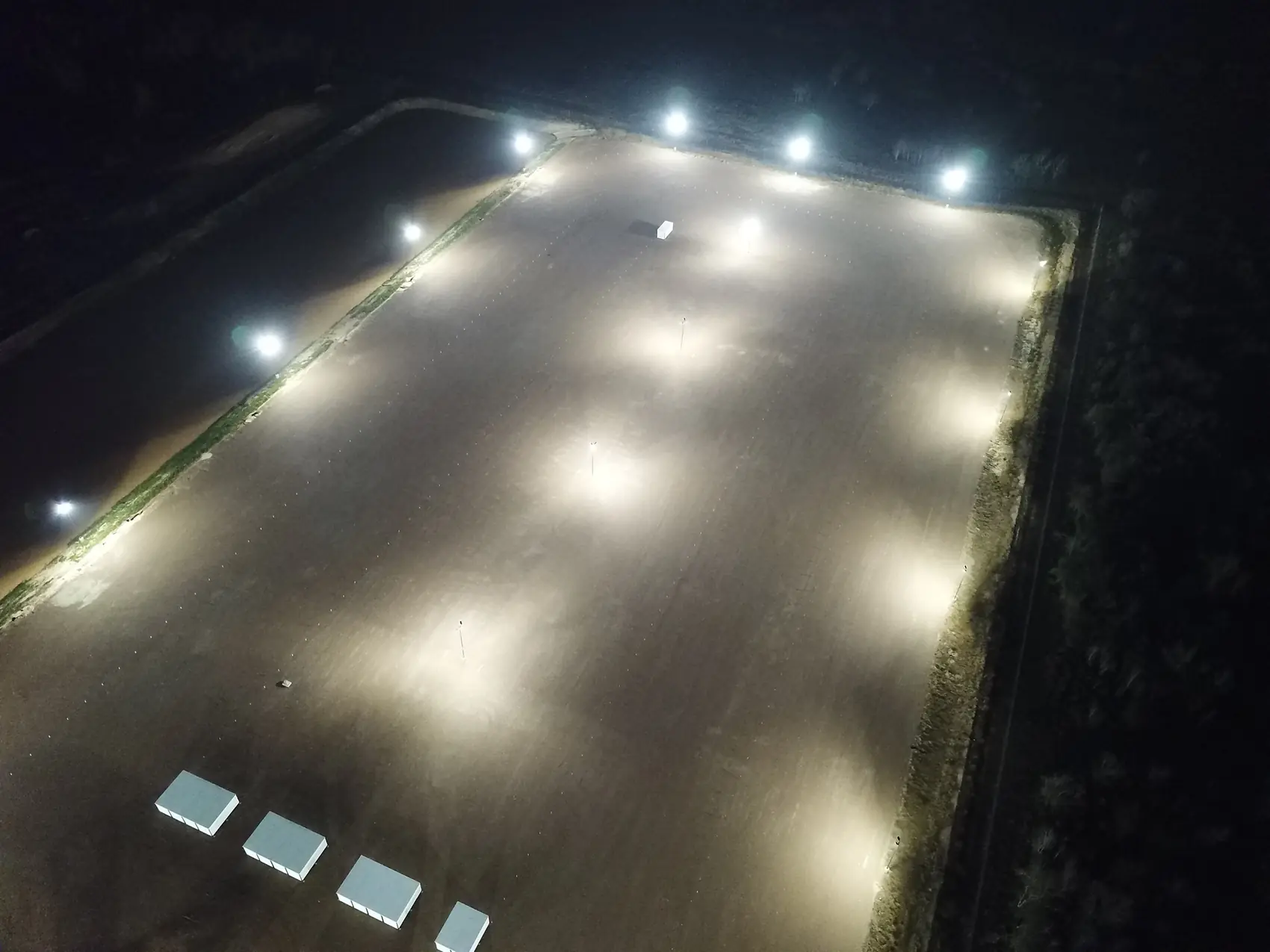
The vault is the container's format on the indoor unit's premises model — a sealed steel box, no shared walls, on a yard that brings the security a container on bare land never has.
- Where it winsWorking storage. Truck backs to the door, 16-foot material lies flat, 24/7 gated access, LED lighting, cameras and a resident manager included. From $88 a month, with truck parking on the same yard if the vehicle needs a home too.
- Where it losesNo climate control, and it lives on our yard rather than your site. If either of those is decisive, one of the other two is your answer — genuinely.
- Who it fitsContractors and trades (the trade case), and small businesses cycling inventory (the stock case) — anyone whose storage is part of a working day rather than an archive.
All three verdicts assume you check the yard, not the brochure. Ours is open to look at.
Pick the format, not the brand
If the vault is the right format, ours start at $88 a month behind a gate with a resident manager — five minutes off I-10.