
The question
What is a garaging address, and why does it matter?
The garaging address on a commercial policy is where the vehicle normally lives when it is not working. Underwriters ask because where a truck sleeps is a large part of its risk — and the industry-wide numbers explain why they care:
After a loss
Why does overnight parking come up in a theft claim?
- The claim revisits the applicationIf the policy says the truck garages at a secured yard and it was actually living on a street or a ramp, that gap becomes part of the conversation at exactly the moment you want no gaps. Accuracy up front is cheap; explaining a discrepancy after a loss is not.
- Documentation beats recollectionA yard with gated access records, cameras and someone on the property produces evidence — when the truck arrived, what happened, who was there. A patch of unmanaged land produces a shrug. What "secure" actually covers is worth knowing before you describe your parking as secure on a form.
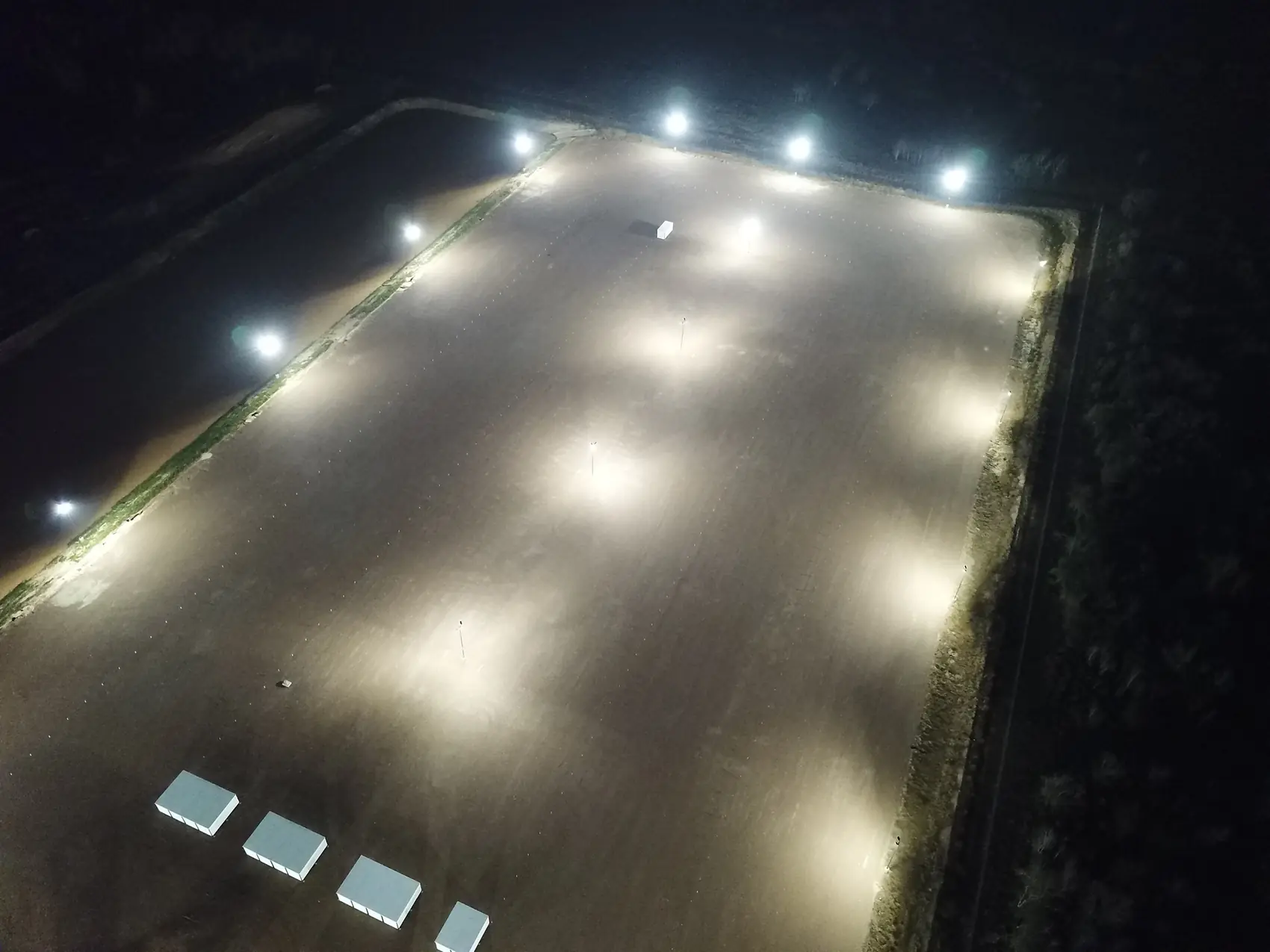
- The questions are answerable in advanceWhere was it parked? Who had access? What security was present? At a facility like this one, those answers are: a contracted stall, individual gate credentials, and a resident manager plus cameras. Have the answers before the question.
Talk to your own agent about your own policy — then make the parking arrangement match what you told them.
The practical move
What should you have ready?
Three things, none of them expensive: a garaging address that is accurate and stays accurate; a parking arrangement you could describe to an adjuster without wincing — gated, lit, monitored, staffed, in whatever combination you actually have; and the habit of keeping the two aligned when the operation changes. A monthly stall makes the whole exercise trivial: the address on the form is a real place with a gate log, and it is the same place every night. That is what underwriting language calls reduced risk, and what a driver calls sleeping without listening for the trailer doors — the same thing the theft guide arrives at from the other direction.
Make the paperwork and the parking agree
A contracted, gated, resident-managed stall from $89 a month — an address you can put on a form and mean it.