
The taxonomy
What do the six security words actually stop?
- FencedThe floor. A fence defines the property line; alone, it is a speed bump for anyone who wants in. Necessary, wildly insufficient.
- GatedNow entry is controlled — if access is individual. A shared gate code is a fence with paperwork; individual credentials tell you who came in, and when.
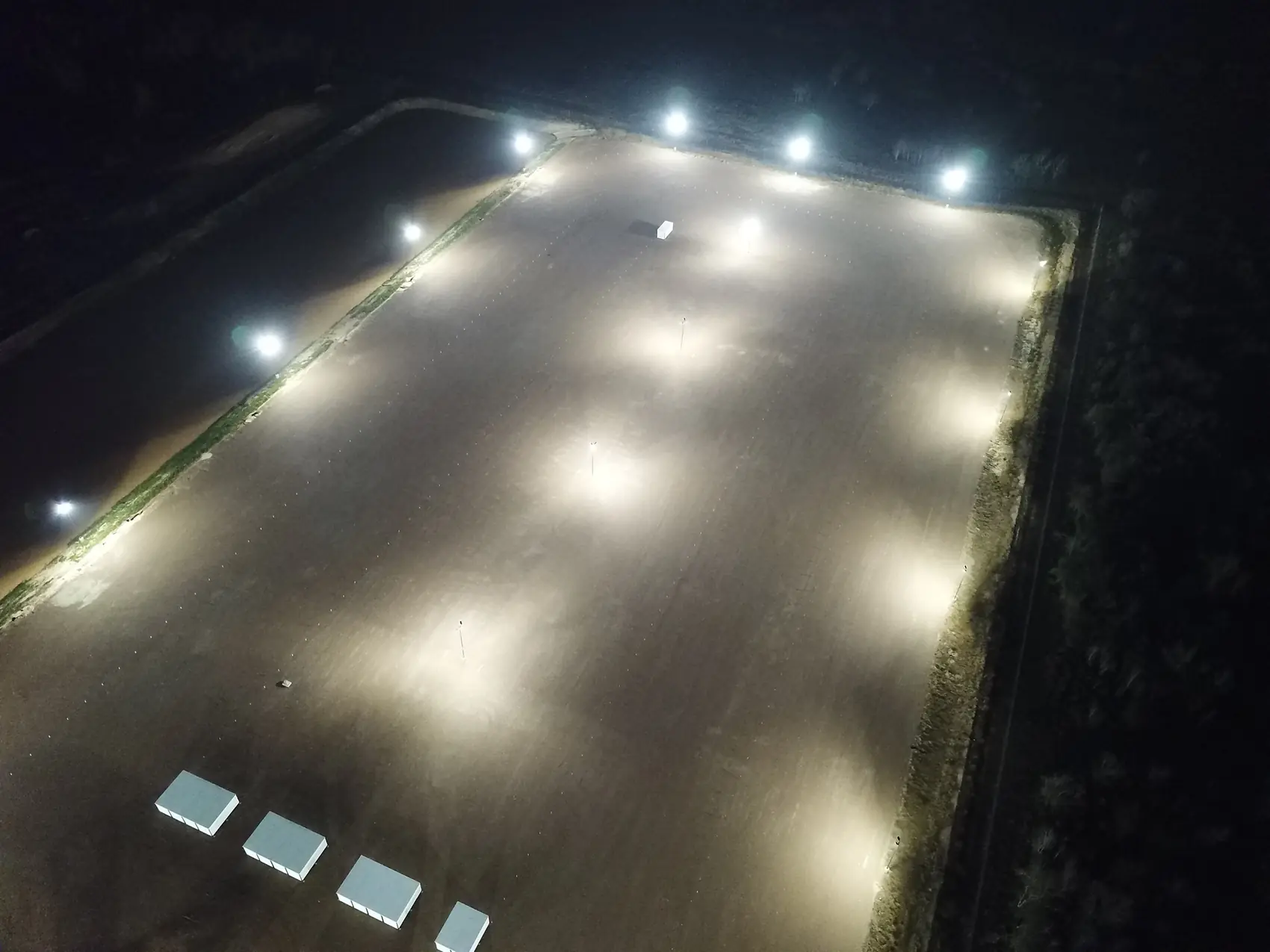
- LitLight is a filter. Theft prefers the dark corner, and a yard lit end to end has none to offer. Cheap for a facility to claim, easy for you to verify: drive past at night.
- MonitoredCameras deter and document. But a camera is only response if someone is watching it — otherwise it is a report generator for your insurance claim.
- StaffedThe scarce one. A person on the property converts every other layer from evidence into intervention. What that looks like at 2 a.m. is its own post.
- LayoutThe one nobody markets: no blindside stalls means every space is visible from the drive aisle; a no-exit loop means a vehicle cannot slip out the way it came in. Design as security.
The numbers
The claims are common. The stack is not.
The same survey found facilities running the full stack — gated entry, cameras, fencing, individual codes, on-site management — command higher rates. Security is the priced variable in this market, which is also why the word gets used more often than the stack gets built.
LockRig runs all six layers, and the security page itemizes them against that study.
Use it
Which questions should you ask a yard?
Before you book anywhere — including here — ask which layers are real: Is access individual or shared? Is the lighting continuous or at the office? Who is physically present overnight? Can a stall be watched from the aisle? The longer checklist is in the ten questions post, and how the layers hold up against actual cargo theft patterns is in the theft guide.
Applying it
How do listings actually use these words?
Read a handful of parking listings against the six layers and patterns appear quickly.
- "Secure" with no specificsThe word alone most often means a fence. If a listing could name a gate, cameras or staff, it would — absence of detail is itself information.
- The camera-count fallacy"16 cameras" answers how much footage exists, not whether anyone can act on it. One person on the property outweighs a second row of lenses.
- "Well lit" needs a night visitLighting claims are the cheapest to make and the easiest to check. Drive past after dark; the corridor's yards separate immediately.
- Access hours are a security featureA gate that locks you out at 10pm forces the exact behavior — overnight ramp parking — that the security stack exists to prevent. Confirmed 24-hour access is the rare layer: 36.7% of surveyed facilities.
Hold us to the same standard
Drive past at night, ask who lives on the property, and check the stack yourself. Stalls from $89 a month, five minutes off I-10.