LockRig News – January 30, 2026
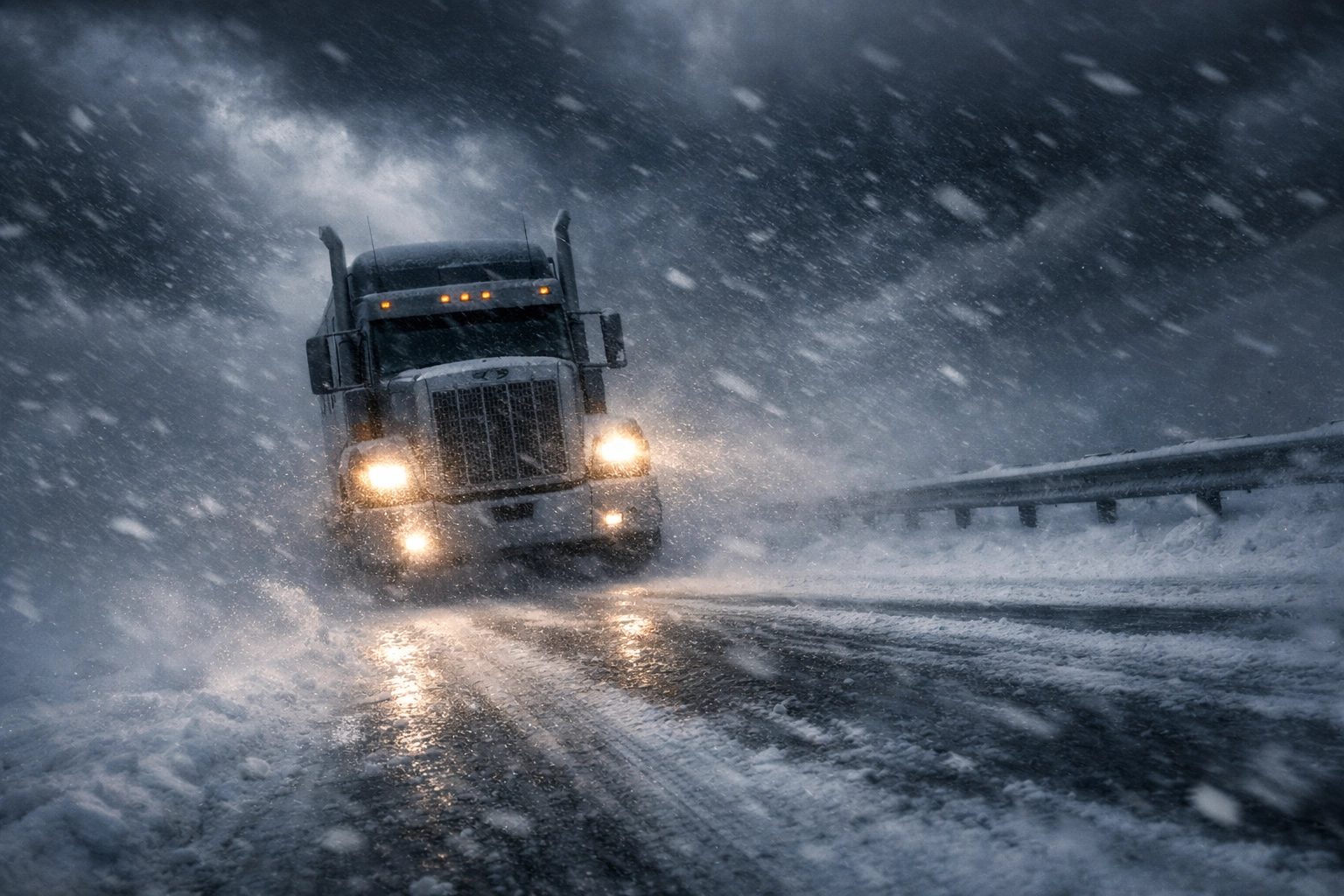
If you're running routes through Georgia, the Carolinas, or Virginia this weekend, listen up. A dangerous winter storm: what meteorologists call a "bomb cyclone": is bearing down on the Southeast. This isn't your typical winter weather. We're talking rapidly intensifying conditions that can turn highways into ice rinks in minutes.
Georgia's already declared a State of Emergency. The National Weather Service is warning of blizzard conditions near the North Carolina and Virginia coasts. And winds? They're expected to hit near-hurricane force: bad news for anyone hauling a 53-footer.
This post breaks down what you need to know, how to stay safe, and what to do if you get caught in it.
What the Heck Is a Bomb Cyclone?
A bomb cyclone sounds dramatic because it is. It's a storm that intensifies so fast: dropping at least 24 millibars of atmospheric pressure in 24 hours: that it creates extreme conditions almost overnight.
For truckers, that means:
- Heavy snow and ice that accumulates fast on roads that weren't treated in time
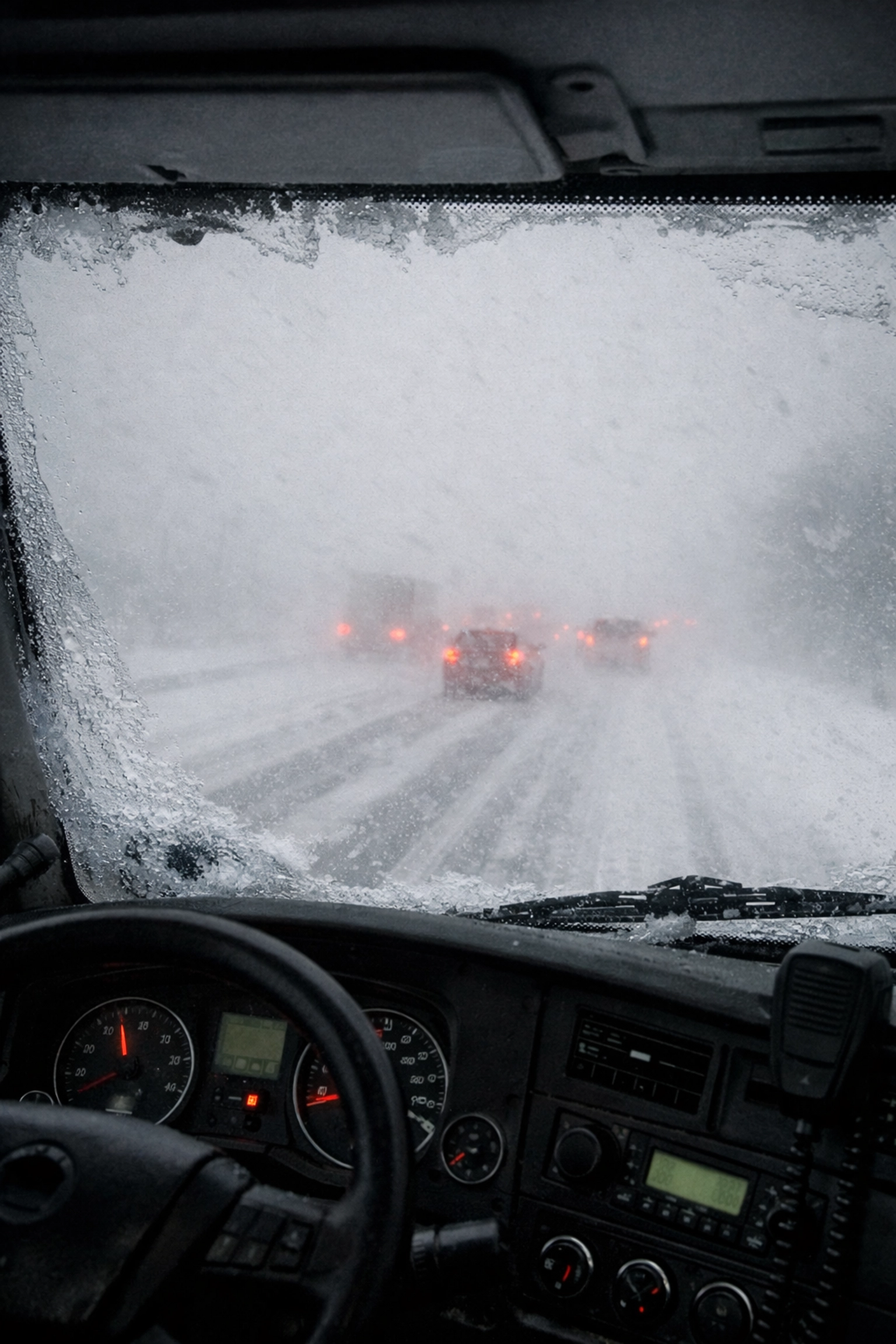
- Near-zero visibility from whiteout conditions
- Black ice hiding under fresh powder
- Hurricane-force winds that can push high-profile vehicles off the road or flip trailers
This isn't the kind of weather where you tough it out. It's the kind where experienced drivers park it and wait.
The Southeast Is About to Get Slammed
Here's what CNN is reporting about this particular storm:
Georgia: State of Emergency declared. Snow expected to stick fast to cold, untreated surfaces. Travel disruptions likely across the state.
Carolinas: Blizzard conditions forecast, especially along the coast. Visibility near zero in some areas. High winds could gust up to 60+ mph.
Virginia: Similar story: coastal areas bracing for the worst of it. Interstates could see closures or severe restrictions.
The problem? This storm is developing quickly. Road conditions that look passable in the morning could turn deadly by afternoon. If you're in this region, you need a plan now.
Safety Tips for Truckers During This Event
Let's get tactical. If you're on the road or planning to be, here's what you need to do:
1. Slow Down: Way Down
Experienced drivers report keeping speeds around 50 mph in winter storms, dropping to 40-45 mph when conditions worsen. Your goal isn't to make time: it's to keep your rig upright and out of the ditch.
Black ice is the silent killer here. It's invisible under snow, and once your tires hit it, you're along for the ride. Slower speeds give you a fighting chance to correct.
2. Watch for Rapidly Deteriorating Conditions
This storm is intensifying fast. What starts as light flurries can turn into a full-on blizzard in less than an hour. If you see visibility dropping or snow starting to accumulate on the pavement, find a safe place to shut it down.
Cold, untreated surfaces will freeze over immediately. Don't assume DOT crews have had time to salt or plow.
3. Know the Wind Hazard
Near-hurricane-force winds are forecast in some areas. If you're running empty or hauling a high-profile load (dry van, reefer, flatbed with tarps), you're at serious risk.
Wind gusts can:
- Push you out of your lane
- Flip your trailer if you're empty or light
- Make bridges and overpasses especially dangerous
If winds hit 40+ mph, seriously consider parking it. No load is worth rolling a truck.
4. Have an Emergency Kit Ready
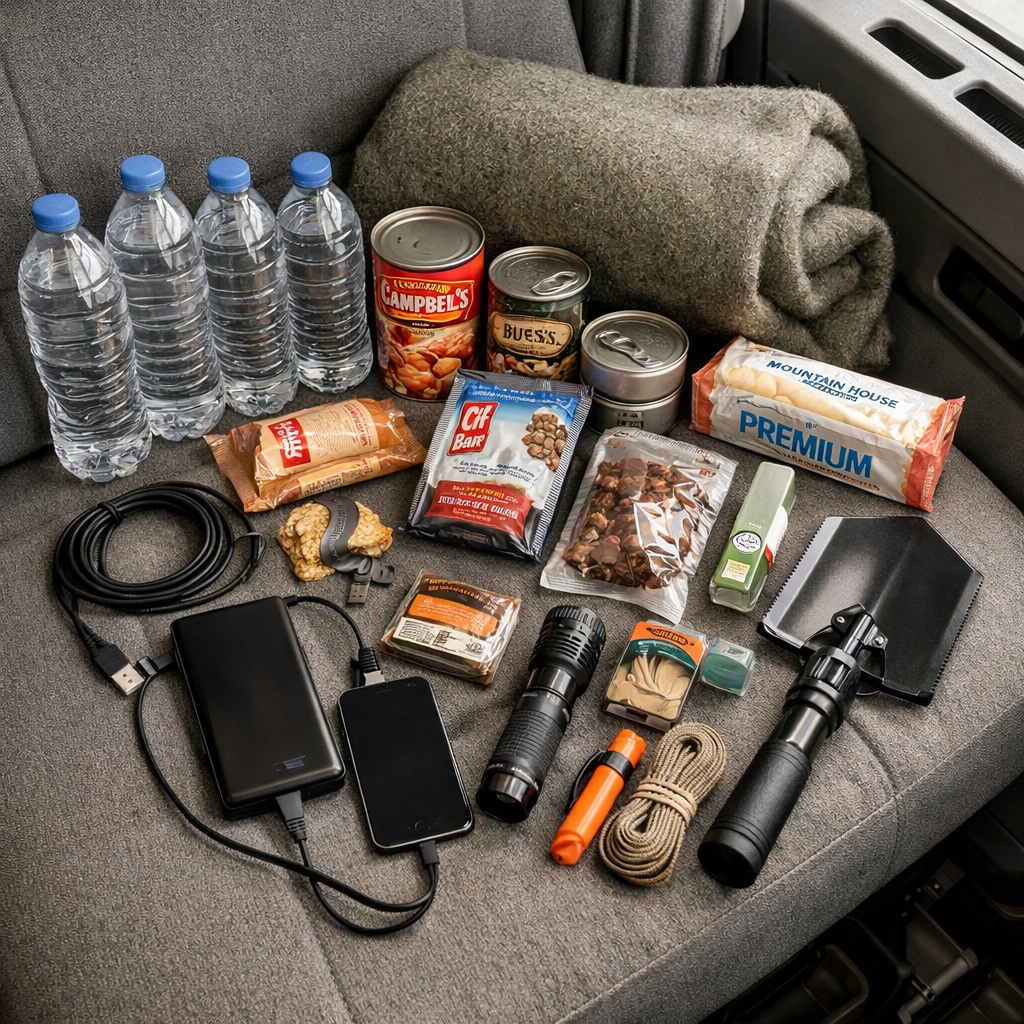
If you get stranded, you need to be self-sufficient. Make sure you have:
- Extra food and water (enough for 2-3 days)
- Warm clothes and blankets
- Flashlight and batteries
- Phone charger (ideally a backup battery pack)
- Medications if you take them
- Shovel and sand/kitty litter for traction
During past bomb cyclones, drivers have been stuck on interstates for days. No food deliveries. No fuel trucks. Just you and what's in your cab.
5. Check Your Route Before You Roll
Call ahead to shippers and receivers. Check DOT road condition websites. Monitor weather radar. If major interstates are closing or backups are forming, do not go.
Recent storms have seen:
- I-5 closures in Northern California that left drivers stranded for hours
- 15-mile backups on I-20 in Louisiana where truckers sat for days
You don't want to be the driver who rolls into a shutdown. You'll burn fuel idling, lose money waiting, and risk running out of supplies.
6. Avoid Other Drivers
This might sound weird, but other vehicles are one of your biggest hazards in winter storms. Four-wheelers brake unpredictably, drive too slow (or too fast), and don't understand how long it takes a loaded truck to stop on ice.
Give yourself extra space. Assume every car around you is going to do something stupid. Because in a blizzard, they probably will.
What to Do If You Get Stranded
Let's say the worst happens. You're stuck: maybe traffic stopped, maybe a road closure, maybe conditions got too bad too fast.
Stay calm. Here's your game plan:
-
Stay with your truck. Don't try to walk for help in whiteout conditions. You'll get disoriented and freeze.
-
Conserve fuel. Idle for warmth, but run your engine in intervals to stretch your diesel. Crack a window slightly to prevent carbon monoxide buildup.
-
Call for help. Contact dispatch, family, and local authorities. Let them know your location and condition.
-
Stay visible. Tie a bright cloth to your antenna or mirror. Keep your hazards on if it's safe to do so.
-
Ration supplies. You don't know how long you'll be stuck. Make your food and water last.
Financial losses from stranding are real. Fuel burns. Time ticks. But your life is worth more than a late delivery.
Planning Ahead for Winter Storms
This storm is hitting the Southeast, but winter weather can strike anywhere. Here's how to stay ready:
Monitor forecasts. Not just "will it snow," but "when does the storm intensify?" Bomb cyclones develop fast. Timing matters.
Know your safe havens. Identify truck stops, rest areas, and secure parking facilities along your regular routes. Have backup plans if your first choice is full.
Communicate with dispatch. Good companies will tell you to shut it down when conditions get bad. If yours won't, you need to make the call yourself. No load is worth your life.
Treat your rig like a winter survival kit. Keep it stocked. Keep it fueled. Keep it maintained. Winter breakdowns are ten times worse than summer ones.
LockRig's Got Your Back (Even If You're Not in Houston)
Now, we know this storm is hitting the Southeast, and LockRig is based here in Houston. But here's the thing: winter readiness is year-round, and secure parking is a critical part of your safety strategy.
When the next storm rolls through Texas (and it will), you'll want a place to park that's:
- Secure and well-lit so you're not sitting in a dark, sketchy lot
- Easy to access 24/7 so you can get in or out when conditions allow
- Wide and easy to maneuver so you're not blindside backing in a blizzard
LockRig offers all that and more. Free showers for overnight stays. Free coffee and ice. Wi-Fi. Wide drive aisles. No blindside parking. And 24/7 security monitoring with our SmartSpot™ camera system.
We're not just a parking lot: we're a safe haven when the weather turns nasty.
Lowest prices in Houston. Satisfaction guaranteed. And if you ever need a secure spot to wait out a storm, we've got you covered.
Learn more at lockrig.com or book your spot today.
Bottom Line
This bomb cyclone is no joke. If you're running routes through Georgia, the Carolinas, or Virginia this weekend, take it seriously. Slow down. Watch conditions. Have an emergency kit. And don't be afraid to shut it down if things get hairy.
Your load can wait. Your truck can be repaired. But you can't be replaced.
Stay safe out there, drivers. We're rooting for you.
: The Team at LockRig Storage & Parking

 832-979-2713